Be yourself; Everyone else is already taken.
— Oscar Wilde.
This is the first post on my new blog. I’m just getting this new blog going, so stay tuned for more. Subscribe below to get notified when I post new updates.
Be yourself; Everyone else is already taken.
— Oscar Wilde.
This is the first post on my new blog. I’m just getting this new blog going, so stay tuned for more. Subscribe below to get notified when I post new updates.
Well, the structure of flat roofs is different than that of the sloping roof. In the case of the sloping roofs, the water can easily slide down through the slopes. But Incase of a flat roof the water gets collected and can result in roof leaking in some houses. So to prevent these two layers of elastomeric coatings are used on the flat roofs that prevent roof leaking and insulates the material, which also prevents the loss of the heat from the inner part of the building.
However, for a long-lasting Flat Roof Waterproofing, there are some measures that you should follow. So here in this post, we will discuss the various measures>
Step-1
Measure the whole surface area of your flat roof that includes the length and width in feet. After measuring the total length and total width, multiply both to get the surface area in square feet. Then visit a hardware store and buy the buckets coating as per your roof size.
Step-2
Clean your flat roof with high-pressure water using a broom. And make sure that all the dirt is removed.you can also mix 1qt of trisodium phosphate in 5 gallons of water to clean the roof in extreme worse condition. And then wait for your roof to dry before applying the coat.
Step-3
After the roof is all dry, pour one gallon of elastomeric coating from the bucket of paint to your roof and start spreading it evenly using a paint roller. You can start from the corner of the roof and then covering the whole surface of the roofs. But remember you have to walk backward while coating because once you have coated the roof you cannot step on it. after covering the whole roof allow it to dry up for 24 hours and then apply the second layer.
So in conclusion, this is the best way for Flat Roof Waterproofing, however, to get the most reliable and best waterproofing, contact CW Industrial roofing, the most trusted name in waterproofing in the UK.
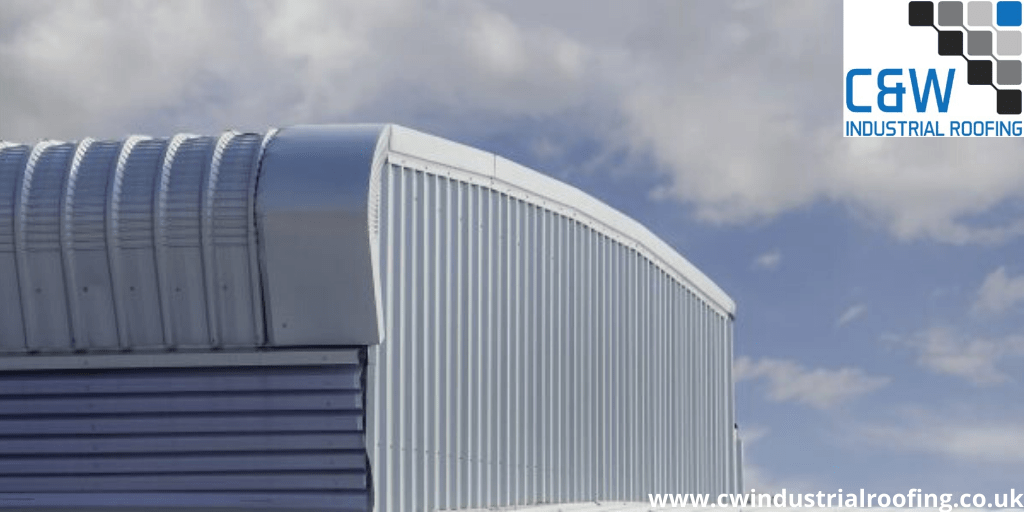
A house without a roof is virtually useless, the roof of a house protects and keeps the house safe from all the roofs. A roof in the house protects us from cold damps and many more, whereas the roof in commercial building protects all the business essentials. Roof Cladding is a method of covering the roof by creating a water-tight layer that keeps all the elements inside protected, warm and dry.
Here in this post, we will discuss various types of Roof Cladding.
Fiber-glass cladding:
This particular technique of roof cladding was invented in the 1940s and has been used since then. The fiber-glass roof cladding offers you a roof free of maintenance that can last up to 100 years. Due to its strength and ability to mold it to any size, it is very popular among the peoples.
Plastic-roof Cladding:
Plastic roof cladding uses clear corrugated sheets for conservatories.just like fiber-glass it also comes in any color, shapes, and texture. The lightweight and strength make it more ideal for roof cladding.
Fiber-cement cladding:
In this type of cladding, a mixture of fiber, cellulose, and cement are used to make the roof cladding. It is very ideal for roof cladding under a tight budget. The greyish look of the cement makes it ideal as a replacement of natural slate. This kind of roof cladding has a life span of around 40 years and is fire-resistant as well.
Copper cladding:
Copper has been used as roof cladding for centuries. It has longevity and is incomparable to other roof cladding. Some copper roofs found are about 100 years old.
Steel-cladding:
This is the most durable and cost-effective choice when it comes to roof cladding. It is a very ideal choice for industrial purposes workshops and warehouses. The galvanized sheets provide a wide range of profiles for modern-day roof cladding.
So in conclusion, these were the types of Roof Cladding that you must know about. For an effective roof, cladding contact, CW Industrial Roofing the most trusted name in commercial and industrial roofing.
Asbestos Roof Coating is very reliable and protects your asbestos roof from any kind of leaks. The asbestos roof coating involves understanding of many regulatory issues. These coating used in the leaks goes to the roots of the leaks and future proofs the roof structure. The asbestos roof coating is less expensive as compared to Roof Cladding or replacement.
Advantages of roof coating:
Asbestos roof coating is the most reliable way of preventing leaks. Roof coatings have a longer life span for 10-20 years. This is the fastest method to prevent leaks, it saves you money with a long-term solution and minimum business disruption.
Roof Cladding:
Well, roof cladding is defined as the installation of the waterproof layer to the roof to prevent moisture. There are many types of roof cladding used in industries like concrete, asphalt, slate, clay, and terracotta.
In roof cladding, there is always a risk of rusting and general decay. However, roof cladding comes with a lot of safety issues. Besides to fasten the metal sheets on the roof numerous holes are drilled into the asbestos cement, which releases asbestos fiber, which is harmful to the workers. So, many industries are not using roof cladding nowadays.
So in conclusion, this was a comparison between roof coating and roof cladding, however, nowadays Metal Roof Coating is more suitable and convenient for the big businesses. Metal Roof Coating is cost-effective and attractive.
However, if you want the best asbestos roofing or refurbishing, contact CW Industrial Roofings, the most reliable roofing contractors in the UK.
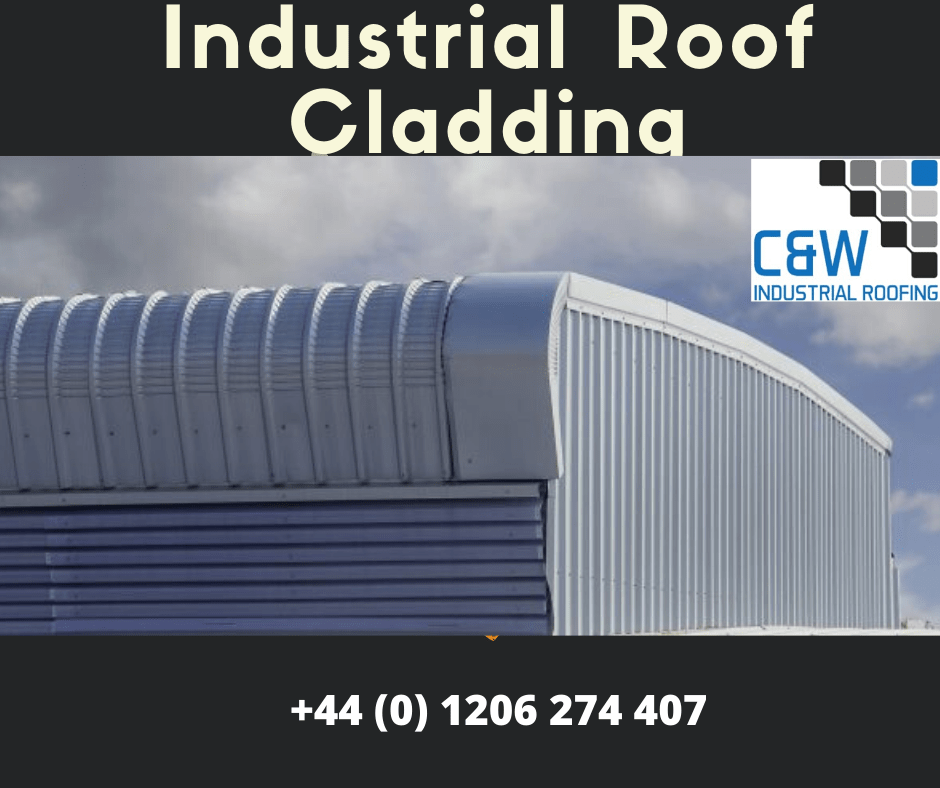
A house without a roof is virtually useless, the roof of a house protects and keeps the house safe from all the roofs. A roof in the house protects us from cold damps and many more, whereas the roof in commercial building protects all the business essentials. Roof Cladding is a method of covering the roof by creating a water-tight layer that keeps all the elements inside protected, warm and dry.
Here in this post, we will discuss various types of Roof Cladding.
Fiber-glass cladding:
This particular technique of roof cladding was invented in the 1940s and has been used since then. The fiber-glass roof cladding offers you a roof free of maintenance that can last up to 100 years. Due to its strength and ability to mold it to any size, it is very popular among the peoples.
Plastic-roof Cladding:
Plastic roof cladding uses clear corrugated sheets for conservatories.just like fiber-glass it also comes in any color, shapes, and texture. The lightweight and strength make it more ideal for roof cladding.
Fiber-cement cladding:
In this type of cladding, a mixture of fiber, cellulose, and cement are used to make the roof cladding. It is very ideal for roof cladding under a tight budget. The greyish look of the cement makes it ideal as a replacement of natural slate. This kind of roof cladding has a life span of around 40 years and is fire-resistant as well.
Copper cladding:
Copper has been used as roof cladding for centuries. It has longevity and is incomparable to other roof cladding. Some copper roofs found are about 100 years old.
Steel-cladding:
This is the most durable and cost-effective choice when it comes to roof cladding. It is a very ideal choice for industrial purposes workshops and warehouses. The galvanized sheets provide a wide range of profiles for modern-day roof cladding.
So in conclusion, these were the types of Roof Cladding that you must know about. For an effective roof, cladding contact, CW Industrial Roofing the most trusted name in commercial and industrial roofing.
This is an example post, originally published as part of Blogging University. Enroll in one of our ten programs, and start your blog right.
You’re going to publish a post today. Don’t worry about how your blog looks. Don’t worry if you haven’t given it a name yet, or you’re feeling overwhelmed. Just click the “New Post” button, and tell us why you’re here.
Why do this?
The post can be short or long, a personal intro to your life or a bloggy mission statement, a manifesto for the future or a simple outline of your the types of things you hope to publish.
To help you get started, here are a few questions:
You’re not locked into any of this; one of the wonderful things about blogs is how they constantly evolve as we learn, grow, and interact with one another — but it’s good to know where and why you started, and articulating your goals may just give you a few other post ideas.
Can’t think how to get started? Just write the first thing that pops into your head. Anne Lamott, author of a book on writing we love, says that you need to give yourself permission to write a “crappy first draft”. Anne makes a great point — just start writing, and worry about editing it later.
When you’re ready to publish, give your post three to five tags that describe your blog’s focus — writing, photography, fiction, parenting, food, cars, movies, sports, whatever. These tags will help others who care about your topics find you in the Reader. Make sure one of the tags is “zerotohero,” so other new bloggers can find you, too.

 industrial roofing